Why Mobile Esports Is the Next Big Thing
When I first saw a group of players on a city bus, all eyes glued to their phones, I thought it was just casual play. Turns out, that was the seed of a $5 billion industry that’s now rivaling console and PC tournaments. The real driver? Smartphones have become powerful enough that the most popular esports titles run natively on them, with latency‑free controls and instant matchmaking.
Hardware That Keeps Pace With the Competition
Modern flag‑ship phones now ship with octa‑core processors, 8 GB of RAM, and 144 Hz displays. That means a 5 kHz tick rate in games like PUBG Mobile and Call of Duty: Mobile is no longer a myth. The average player can run a 1080p frame rate at 60 fps on a 5‑inch screen without overheating. In practice, this translates to a 30 ms input lag for the best devices, a level that is on par with high‑end PC rigs.
Game Design Tailored for Touch
Developers are redesigning core mechanics for the touch interface. Instead of relying on a keyboard and mouse, games now use virtual joysticks, swipe combos, and haptic feedback. For example, Mobile Legends: Bang Bang introduced a “combo mode” that lets players chain skills with a single swipe, reducing the need for multiple button presses. This shift has made skill ceilings more approachable, allowing casual players to climb ranks faster.
Community and Monetisation Models
Unlike traditional esports, mobile tournaments often run on a freemium model. Teams can enter competitions for free, and revenue comes from in‑app purchases, skins, and ad revenue. The most successful tournaments, such as the Mobile Legends World Cup, have prize pools exceeding $1 million, attracting sponsorships from brands that want to tap into a 2.5 billion‑strong user base. However, the reliance on micro‑transactions can alienate players who feel pressured to spend to stay competitive.
Infrastructure: Cloud Gaming and Edge Servers
Latency remains a concern, especially in regions with weak internet. Cloud gaming services like NVIDIA GeForce Now have rolled out edge servers in Southeast Asia, bringing ping under 40 ms for mobile players. This infrastructure upgrade means that even a 4G LTE connection can support high‑quality, low‑lag gameplay, leveling the playing field between urban and rural users.
From Street Games to Global Stage
Street tournaments in Jakarta now stream to millions of viewers on YouTube, while professional teams in South Korea sign contracts worth millions. The accessibility of smartphones has turned esports into a truly global sport: a teenager in Nairobi can compete against a pro from Seoul in real time. Yet, the cost of entry for hardware and data plans can still be a barrier for players in lower‑income countries.
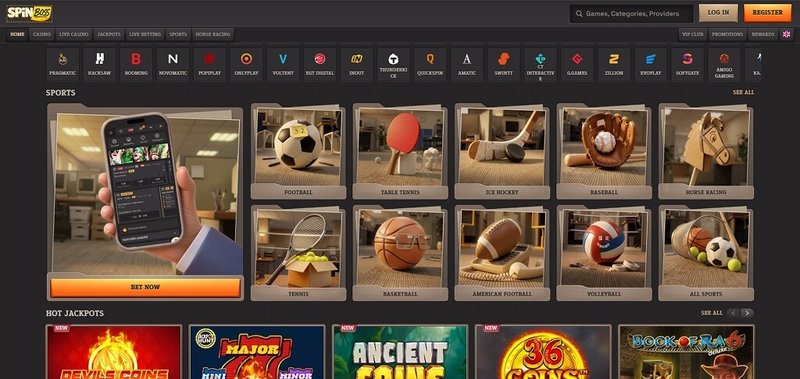
In the same way that gaming has evolved from arcades to online platforms, mobile esports is bridging the gap between casual play and high‑stakes competition. It’s not just a new format; it’s a new ecosystem that rewards adaptability, quick reflexes, and a willingness to embrace touch controls. For those who want to see how this shift translates into everyday entertainment, check out Spinboss, an online gaming hub that blends mobile esports with casual play.
What Comes Next?
We’re already seeing experiments with augmented reality tournaments, where players use AR glasses to overlay game elements onto real spaces. If that trend continues, the line between virtual and physical competition will blur even further. For now, the key takeaway is that smartphones are not just a platform; they’re a catalyst that’s reshaping how we define competitive gaming.