Mobile Casino Live Dealer: A Player’s Walkthrough
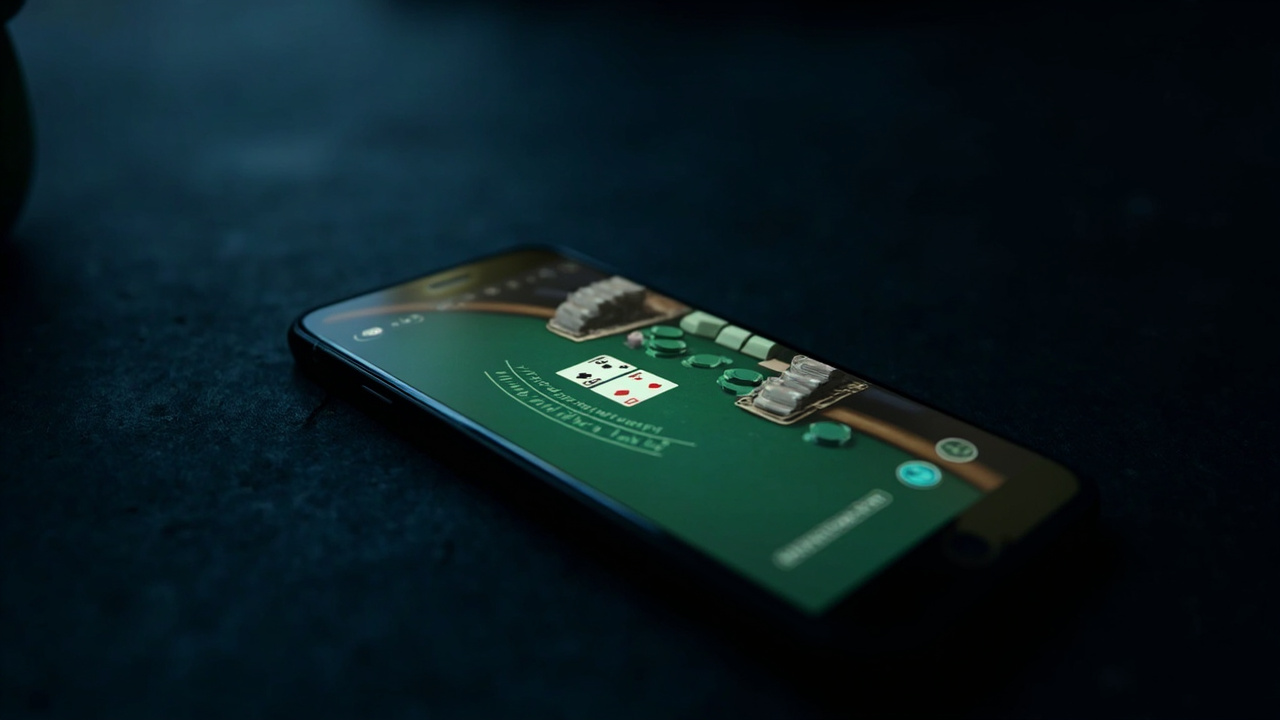
H1: Mobile casino live dealer tables and how the session plays out on your phone
When you load a mobile casino live dealer table on your phone, the session starts before the first card is dealt. You’re checking signal strength, camera angle, the speed of the lobby, and whether the touch controls actually behave when you’re trying to place a bet between trains at Newcastle station. This walkthrough follows the player’s path from lobby entry through the hand, the payout, and the exit, with a clear eye on what the interface is doing and what it isn’t.
H2: Lobby, stream, and the first ninety seconds on screen
The lobby is where the session either feels tidy or starts to fray. A decent mobile casino live dealer setup lists the tables in a clean grid, shows the current stake range, the dealer’s name, and a thumbnail of the table rather than a wall of identical banners. Tap a baccarat or blackjack table and the stream should open without a second loading screen fighting you for attention. The stream itself needs to hold a steady frame on a phone held in portrait or landscape, because a wobbling camera or a sticky audio feed turns a simple hand into a distraction. Players in Newcastle who are squeezing in a session during a lunch break tend to notice the lag first, and that’s the moment the whole thing either feels smooth or starts to feel like work. The betting panel should sit where your thumb naturally rests, with clear chip values and a visible balance that updates without a refresh. If the interface makes you hunt for the raise button or the undo control, the table hasn’t been built for mobile-first use, no matter how polished the studio looks.
When the interface loads without friction, players spend less time hunting for a game and more time settling in. If you want to see how a streamlined lobby handles high traffic, check out this mobile setup guide. Smooth navigation is just as important as the live stream quality itself.
H2: Betting, pace, and what the live stream actually delivers
H3: How the betting window and controls behave on a phone
The betting window is the part that decides whether a session feels controlled or rushed. A well-built mobile casino live dealer table gives you enough time to read the current round, place a chip, and adjust before the dealer calls time, without making the countdown feel like a trap. Chip selection should be direct, the bet slip should show your total before you lock it in, and the undo function needs to be easy to reach when you’ve tapped the wrong denomination. I’ve looked at operator-side numbers long enough to know that a high-variance game can keep a losing player ahead for a surprisingly long time, and that same principle shows up here: the pace and the control layout determine whether a session feels like a measured run or a scramble. If the interface is built around desktop habits, the phone player ends up fighting the screen instead of playing the hand.
H3: Dealer presence, table rules, and the pace of the round
The dealer is the part you’re actually watching, and the stream has to carry that without turning the table into a stage show. A good mobile casino live dealer feed keeps the camera on the shoe, the cards, and the layout, with the dealer’s voice clear enough to follow the procedure without strain. The rules should be visible in a compact panel, not buried behind three taps, so you know the commission structure, the side bet options, and the cut-off time before you commit. Behind the scenes, dual-control procedures require two staff for sensitive tasks, and that same discipline shows up in how a table is run when the round is live: the action reads as checked, deliberate, and consistent rather than improvised. For a player, that matters because the session feels steady, the pace is readable, and the hand unfolds the way the lobby promised it would.
H2: Payments, registration, and what the mobile setup means for the player
Before the first bet, the registration and payment path has to behave the way a player expects on a phone. A sensible mobile casino live dealer setup keeps the sign-up short, asks for what it needs, and doesn’t make you retype the same details when you move from the lobby to the cashier. Currency should be clear from the start, with AUD shown where it belongs and no surprise conversions hiding in the fine print. Deposits and withdrawals should read the same way on mobile as they do on desktop, because a player who’s just wrapped a session at Newcastle station doesn’t want to discover the cashier has been rebuilt as a desktop-first form. Support needs to be reachable without hunting through menus, and loyalty points, if they exist, should add up in a way you can actually see while you’re playing. None of this is exotic, but it does the job when the rest of the session is already asking for your attention.
Once the account is verified, the interface should remain stable even when the game stream loads. Players benefit from a layout that minimizes distractions and keeps the focus on the table action. You can see how this works in practice at spin au casino spin au casino.
The point of the whole thing is whether the mobile casino live dealer experience fits the way you actually play. If the lobby is tidy, the stream holds up, the betting panel sits where your thumb expects it, and the cashier doesn’t make you redo the session just because you’re on a phone, the table earns its place in a lunch break or an arvo session. Give it a fair go on your own connection and your own device, because a table that feels fine on Wi-Fi can behave differently when you’re relying on data. She’ll be right only if the stream, the controls, and the cashier all hold up together; if one of them doesn’t, the rest of the table is just noise.
Verdict: A mobile casino live dealer table is worth your time when the stream stays steady, the betting controls are thumb-friendly, and the cashier behaves the same way on a phone as it does elsewhere. If the lobby is messy, the pace feels rushed, or the interface keeps asking you to adapt to it instead of the other way around, you’ve got your answer early and you can move on without wasting a session.
Glossary
- Live dealer table: a streamed table with a real dealer and a live camera feed, played through the mobile interface.
- Betting window: the period before the dealer calls time, when players can place or adjust their wagers.
- Variance: the way results swing over a session, which can stretch a run in either direction.
- Cashier: the section where deposits and withdrawals are handled, including currency and payment details.
- Mobile-first: an interface built around phone use rather than adapted from a desktop layout.
For a closer look at how a mobile casino live dealer session is set up and presented, spin au casino lays out its live tables and lobby structure in one place.
A related read on Nederlandstalige Live Casino Deneyiminde IgoBet Mobile walks through how a mobile live table feels from the player’s side.