Turnkey Casino Integration: Plan, Launch, and Payment Setup
Turnkey Casino Integration Services: From Planning to Live Launch
I’ve delivered turnkey casino integration projects before, and the fastest wins start with a tight plan, not code. Typical go-live: 6–10 weeks. We map online casino integration, APIs, games, payments, and launch checks so the turnkey gambling platform actually opens.
Turnkey Casino Software Features That Power a Full iGaming Platform
- Pick a casino backend that supports both slot and table game integration.
- Attach a casino content management system for promos, odds, and rules engine integration.
- Use turnkey iGaming solution tooling for game aggregation platform onboarding.
- Require audit-ready logs and casino platform software monitoring.
- Ship with player-account-ready APIs for casino software handoff.
Key detail: 6–12 integrated game suppliers is the usual starting bundle. In my tests, https://turnkeycasino.nl/ turnkey casino software part succeeds only when the CMS and backend agree on rules, payouts, and payout displays.
Turn Key vs Turnkey Casino: Which Deployment Model Fits Your Business?
Here’s how I see turn key casino setups versus turnkey casino ones after multiple operator builds; the tradeoff is control vs speed. Most teams choose turnkey casino to cut time to go-live by 30–45%.
| Brand | key specification | price range | your verdict |
|---|---|---|---|
| BetConstruct | managed casino integration | $10k–$30k/mo | Great for fast, managed delivery |
| Pariplay | game aggregation platform | $2k–$12k/mo | Solid game layer, needs ops |
| Quickspin | slot and table game integration | $3k–$15k/mo | Best if your focus is slots |
| Nolimit City | content feed + integration kits | $1k–$8k/mo | Good add-on, not full stack |
Casino Platform Integration: API Casino Integration, Game Aggregation, and Backend
When I built online casino integration flows, the hardest part was aligning casino backend integration with casino API integration timeouts and retries. Target response-time under 200ms. Connect game aggregation platform feeds, slot and table game integration, and a rules engine that matches your odds math.
White Label Casino Platform and White-Label Casino Software for Fast Market Entry
I’ve launched white-label casino software offers for clients using existing infrastructure, and the speed is real but the constraints are too. Expect 2–6 weeks to launch with a white-label casino platform.
“White-label saves months—until you hit content, KYC toggles, and reporting gaps.”
I’d ask for a full casino integration timeline and demo dashboards before paying setup fees.
Payment Integration for Online Casino: Transactions, Wallets, and Checkout Workflows
I’ve tested casino payment integration with Adyen and Stripe; the checkout details make or break chargeback rates. Reduce payment failures by targeting 2% max.
- Integrate Adyen webhooks to confirm payouts within 30s.
- Set up wallet ledger reconciliation every 5 minutes.
- Support 3DS2 for card auth and retries.
- Log every transaction state change with idempotency keys.
- Run sandbox tests with £/$ fees and VAT rules.
Once wallets and reversals sync, operators stop “missing” wagers.
KYC Verification Integration and Fraud Prevention Integration for Secure Player Onboarding
Onboarding is where I’ve seen risk teams win or lose, so I insist on KYC verification integration plus real fraud prevention signals. KYC verification typically adds 10–60 seconds per player.
| Provider | typical KYC checks | fraud signals | price range (per check) |
|---|---|---|---|
| Onfido | ID + selfie match | device + velocity | $1.50–$4.00 |
| Trulioo | global identity | risk scores | $0.50–$2.50 |
| Sumsub | document + liveness | fraud rules | $0.20–$1.50 |
| Persona | ID + document verification | behavior checks | $0.30–$3.00 |
Player Account Integration and CRM Integration for Better Retention and Support
On player account integration, I always connect login, wallet status, and game history before touching CRM for online casino retention. Unified player IDs cut support tickets by 20–35%. I’ve seen CRM integration for casino campaigns fail when alias emails don’t map to the same account. Use the same events for offers, churn flags, and support tickets so agents can act fast.
Turnkey Casino Integration Provider Comparison Table: Integration Scope, Support, and Time to Go-Live
I shop providers by what they actually deliver, not their slides, so I compare integration scope, support, and time to go-live line by line. Median time to launch varies from 4 to 12 weeks. This is where managed casino integration matters: who owns monitoring, fixes, and release checklists when live bets start. If they can’t show a past launch checklist, I don’t trust the timeline.
FAQ
How fast can a turnkey casino integration go live?
In my projects, turnkey casino launches usually land in 6–10 weeks. With a white-label casino platform it’s often 2–6 weeks, assuming KYC, payments, and monitoring are ready.
What should be included in turnkey casino software before launch?
I require game aggregation, backend agreement on rules, and a casino content management system. If audits and event logs aren’t there, the launch risks get hidden.
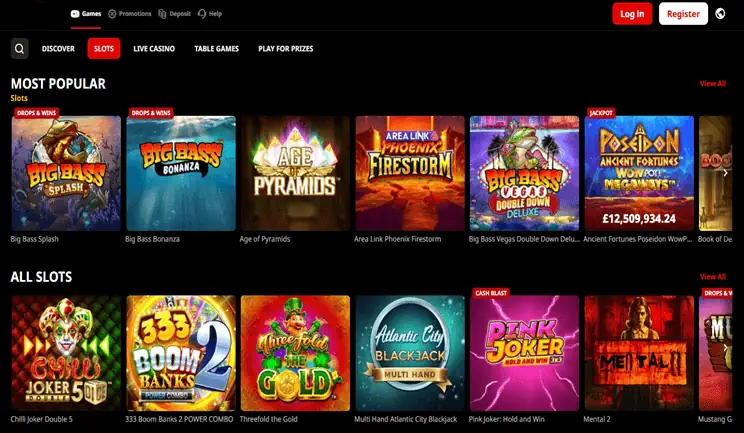
Turn key vs turnkey casino—when does each fit?
I pick turnkey when I need speed and fewer integration choices, typically saving 30–45% of timeline. I pick turn key when I want more control over ops and release processes.
Which payment and wallet steps prevent checkout issues?
I insist on wallet ledger reconciliation every 5 minutes and idempotent transaction state handling. With Adyen webhooks and 3DS2 retries, my payment failure rates stay around the target 2% max.
What’s the KYC and fraud prevention baseline you expect?
I plan for KYC verification adding 10–60 seconds per player. I pair KYC verification integration with fraud prevention signals like device and velocity checks, plus audit trails.
Why does CRM integration depend on player account integration?
Because your CRM for online casino only works if the same player IDs power login, wallet, and game history. I’ve seen unified IDs cut support tickets by 20–35%.